

Sacred Rapé: What It Is and How It Is Used | Casa Cura
What is sacred Rapé? Discover the Indigenous origins of this traditional medicine, its ceremonial use, its relationship with presence and intention, and conscious use.
Fernando Di Grazia
12/11/20254 min read


Sacred Rapé: Tradition, Presence and Conscious Use
An Ancestral Medicine from Indigenous Forest Traditions
Rapé, also known as hapé or rapeh, is part of the traditional practices of different Indigenous peoples of the Amazon.
There are different preparations and traditions associated with rapé. Many contain tobacco, often Nicotiana rustica, combined with ashes from different plants and other ingredients according to the tradition and the people who prepare the medicine.
At Casa Cura, in Itacaré, Brazil, rapé is approached with respect for its origins and used from a perspective of presence, intention and awareness.
What Is Rapé?
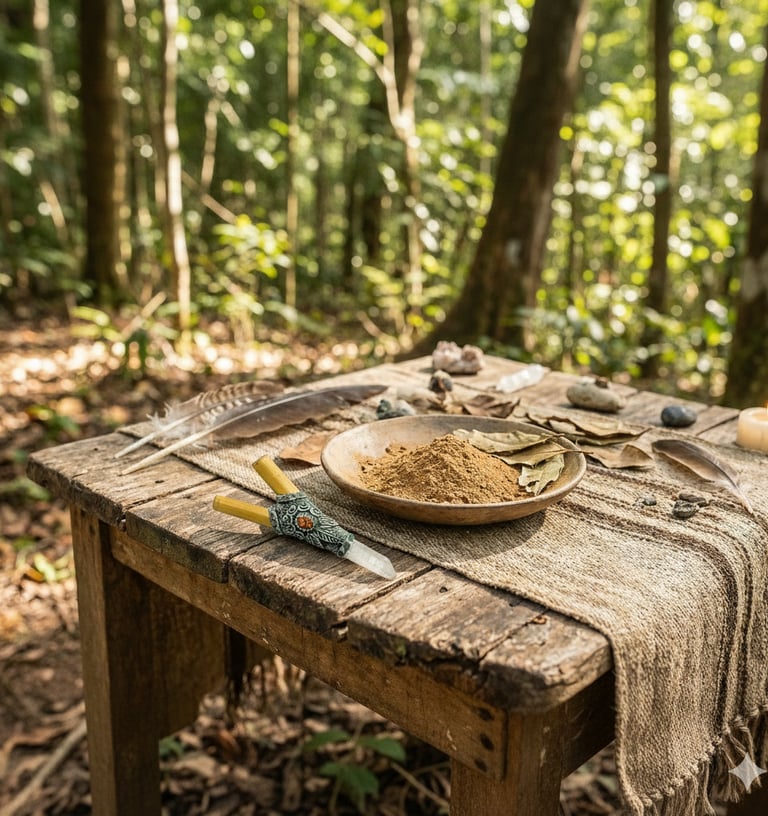
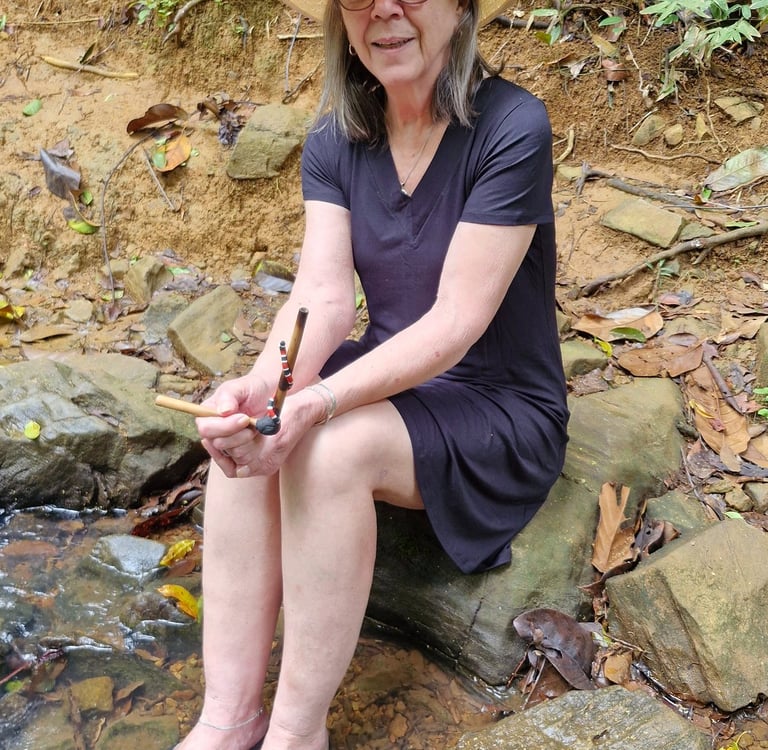
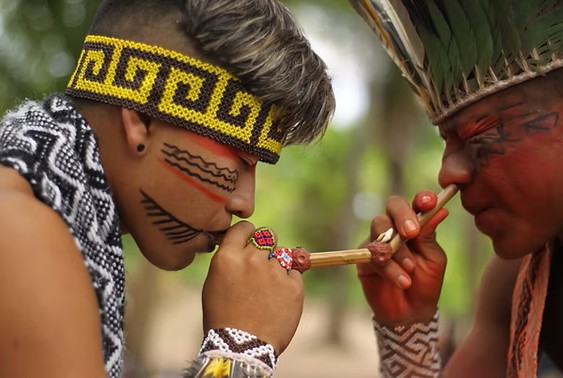
Rapé is a fine powder traditionally administered through the nostrils using specific instruments.
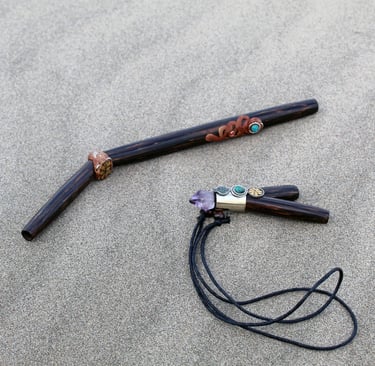
A kuripe is used for self-administration, while a tepi allows one person to administer rapé to another.
Within different Indigenous traditions, its use may be associated with spiritual, ceremonial and community practices.
The preparation methods, ingredients, meanings and ways of using rapé can vary between different peoples and traditions.
For this reason, there is not just one type of rapé or one single way of understanding this medicine.

Rapé, Presence and Intention
In traditional and ceremonial contexts, different qualities are attributed to rapé.
Some people describe the experience as bringing a sense of grounding, silence, concentration or presence.
At Casa Cura, I work primarily with the relationship between intention and awareness.
Before using a medicine, one question can be particularly important:
Why do I want to use rapé at this moment?
This question can help distinguish a conscious choice from something that has simply become automatic.

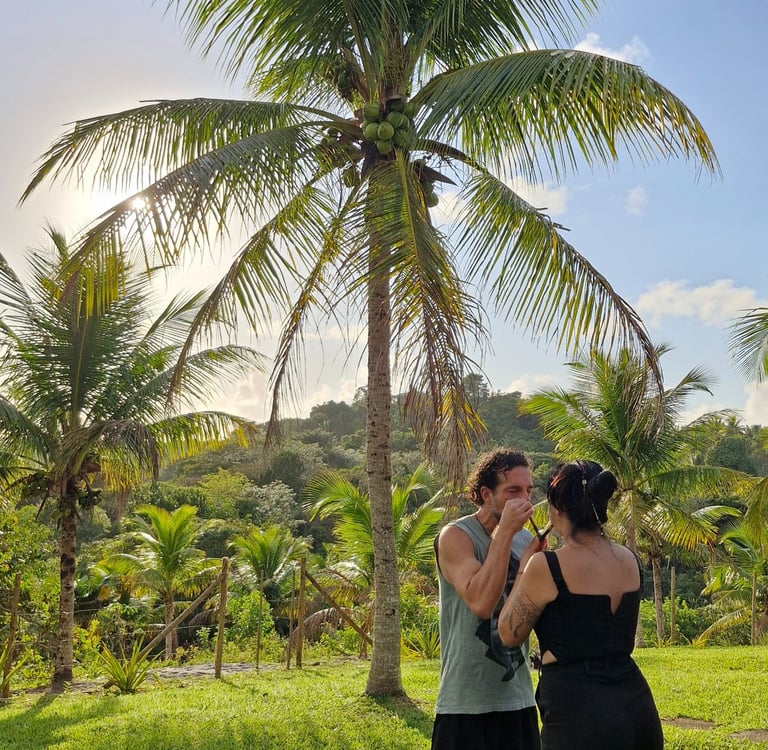

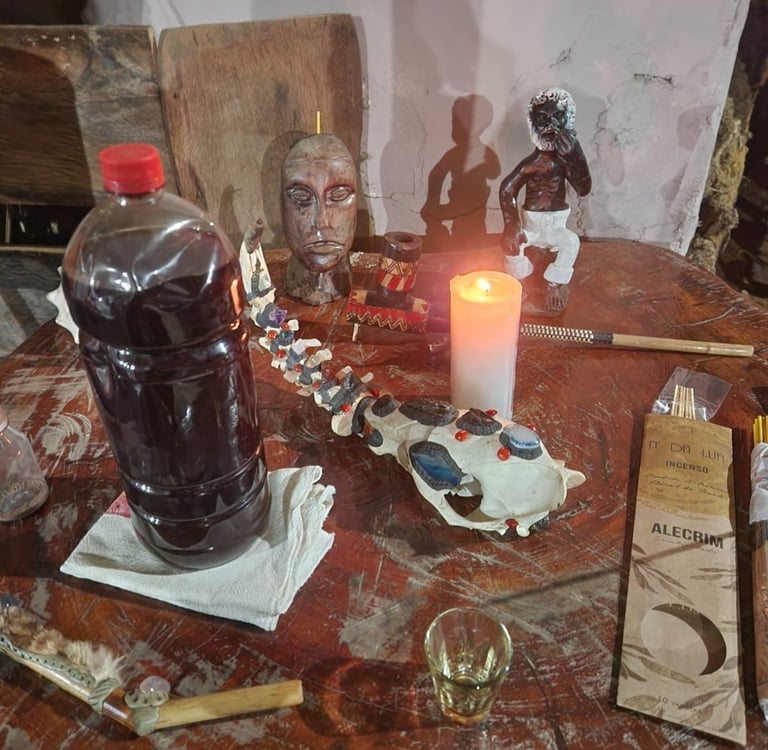
Rapé in Ceremonies
Rapé may be present in different ceremonial contexts.
At Casa Cura, it may be part of an Ayahuasca experience or other practices of self-discovery and presence when I consider it appropriate and always with the person's consent.
There is not necessarily a fixed moment for its use.
Rapé may be offered as a resource within the experience, but it does not need to be part of every ceremony.
Conscious Use and Automatic Habits
There is an important difference between using a medicine with intention and simply repeating its use out of habit.
When any practice begins to become automatic, it may be worth observing what is happening.
Am I choosing to use it, or do I simply feel that I need it?
Am I seeking presence, or am I trying to quickly change what I am feeling?
Can I stay with this moment without turning to the medicine?
These questions are not intended to establish a universal rule about frequency.
They are a way of maintaining awareness of the relationship we are developing with the practice.

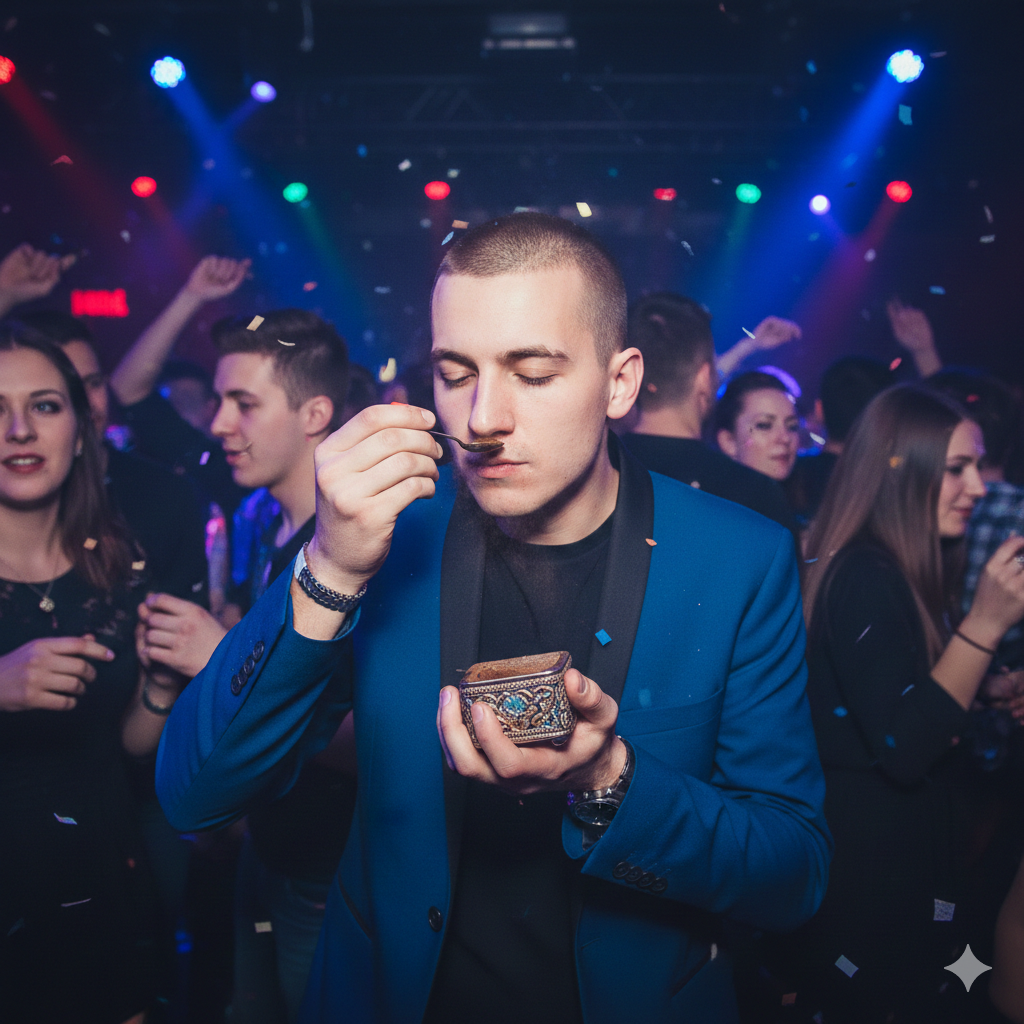
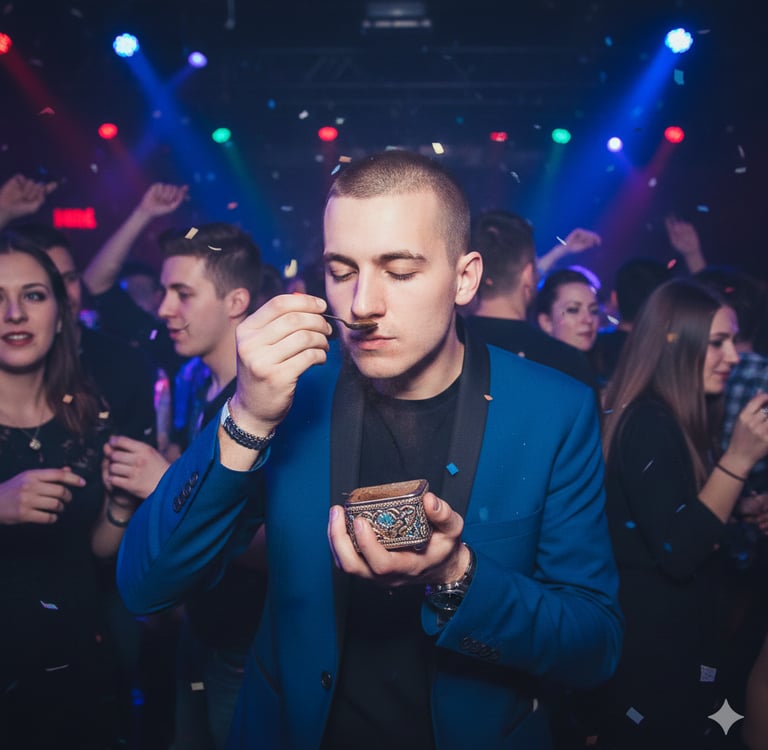
Rapé Also Contains Tobacco
The spiritual dimension of rapé does not remove its physical effects.
Many types of rapé contain tobacco and, consequently, nicotine.
Nicotine has the potential to cause dependence, and frequent use may contribute to a compulsive relationship with the substance.
Nasal administration may also cause irritation and other local effects, particularly with repeated use.
Treating rapé as a medicine, therefore, does not mean considering it free from risks.
Respecting a medicine also means respecting the body and recognising its limits.
Tradition and Respect
Talking about rapé also means recognising that this practice did not originate in urban centres, retreats or contemporary spiritual spaces.
It comes from knowledge preserved by Indigenous peoples of the forest.
Different peoples have their own traditions, preparation methods, songs, prayers, meanings and ways of relating to these medicines.
Recognising these origins is part of respecting the practice.
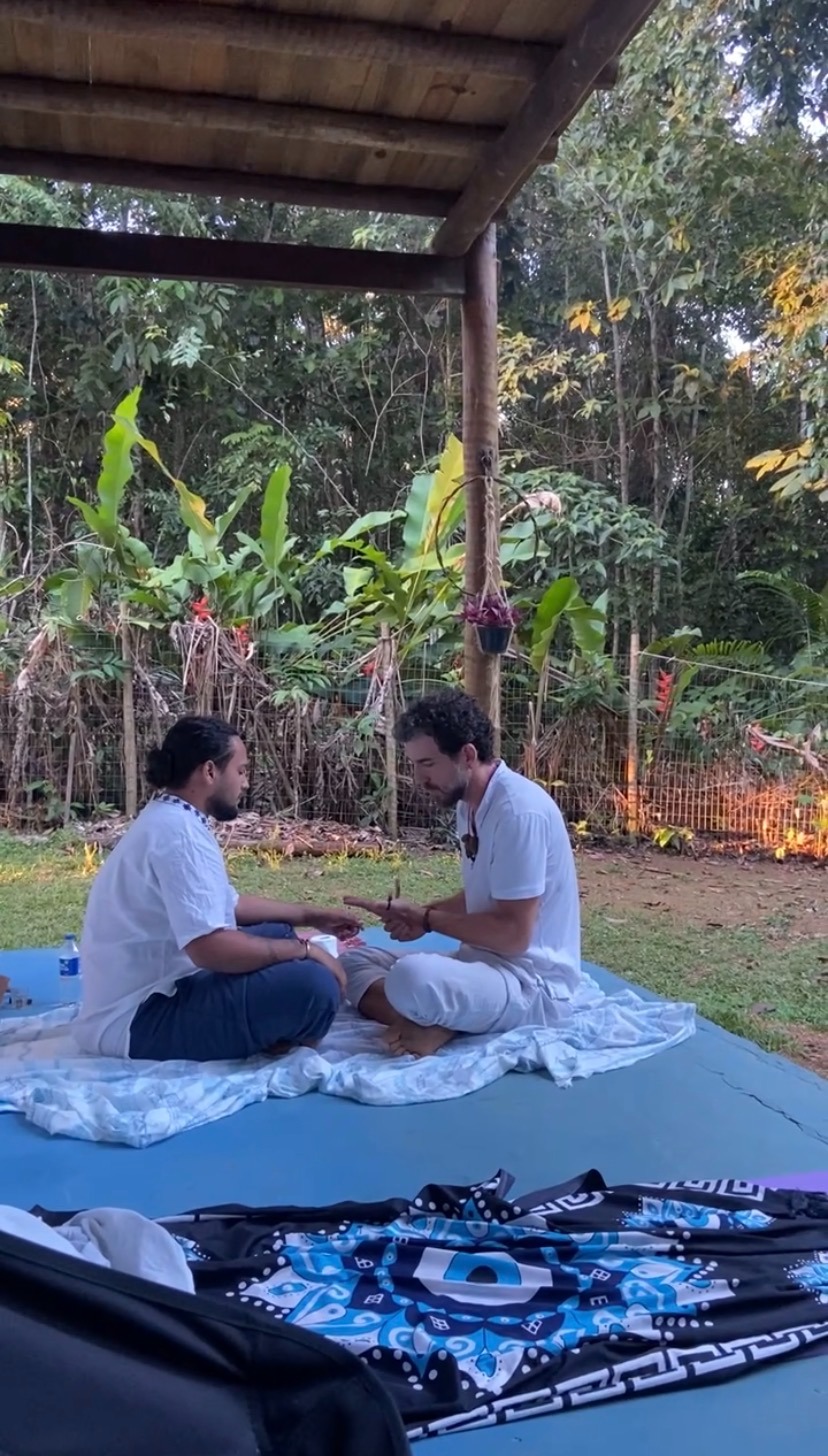
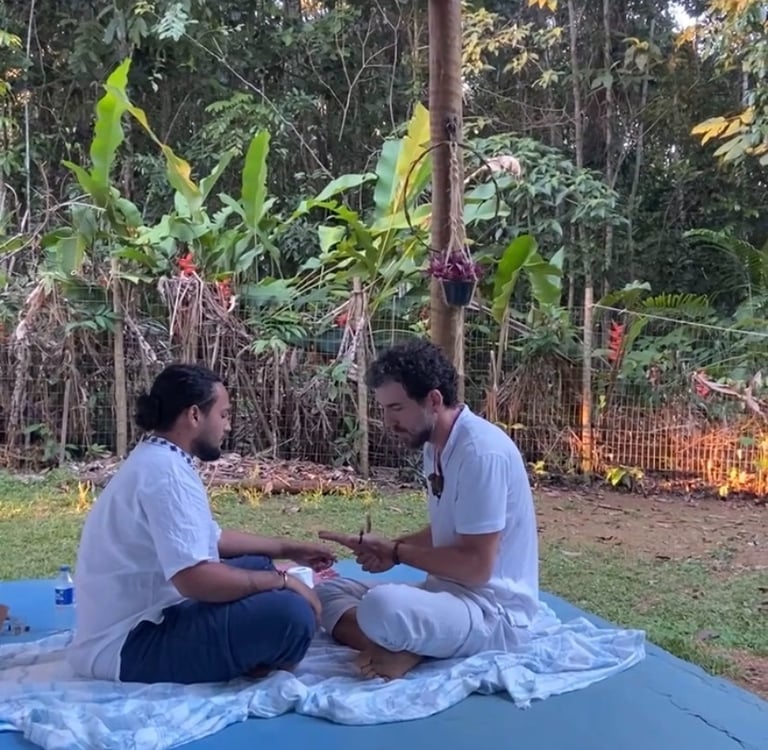
Rapé at Casa Cura in Itacaré
At Casa Cura, rapé may be part of self-discovery experiences, presence practices and ceremonies with forest medicines.
I seek to work with it without turning the medicine into a spectacle and without creating the idea that using more necessarily means going deeper.
For me, the relationship with rapé comes down to three words:
Presence. Respect. Awareness.
Perhaps the most important question is not:
“When should I use rapé?”
Rapé Does Not Need to Be the Answer to Everything
A practice of self-discovery can also involve noticing when we reach for something in order to quickly change our internal state.
Sadness, anxiety, irritation, tiredness or discomfort do not always need to be immediately transformed.
Sometimes there is something to be heard before trying to change what we are feeling.
For this reason, at Casa Cura I do not see rapé as an automatic response to every emotional state.
Our relationship with the medicine can itself become an exploration:
What am I looking for at this moment?
Contact
I am here to support your journey.
Talk to me on WhatsApp
contato@casacura.org
Fernando Di Grazia
+55 19 98154-5159
© 2025. All rights reserved.